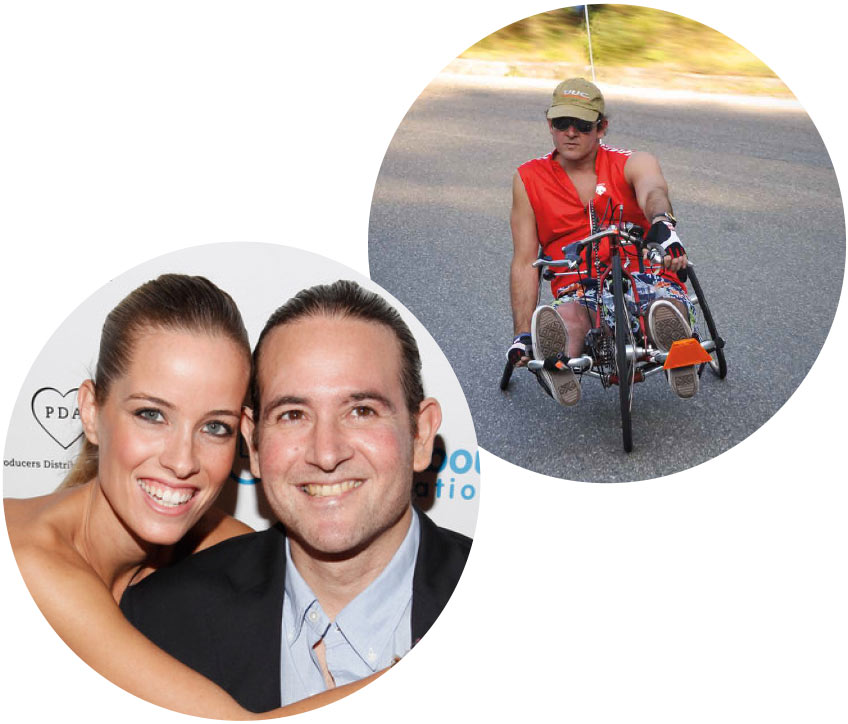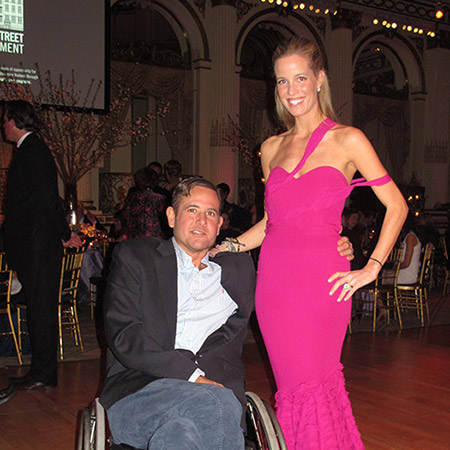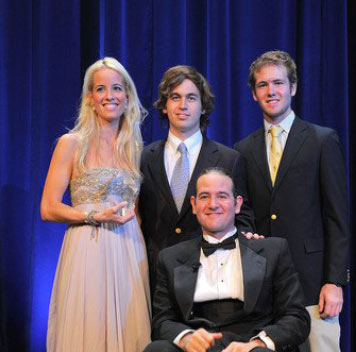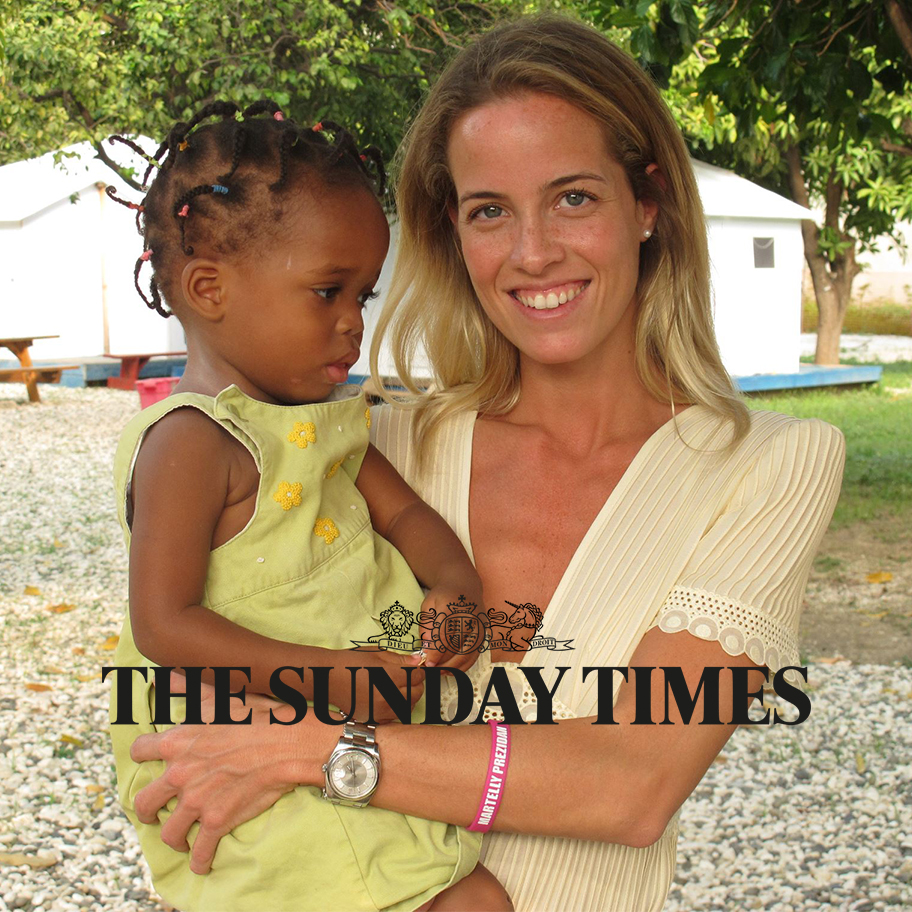
Siblings Luis and Carolina Gonzalez-Bunster established Walkabout Foundation in August 2009 after a visit to their local YMCA in Connecticut led them to discover that Luis could not enter the building because it lacked a ramp and elevator. Luis suffered a spinal cord injury in a car accident when he was 18 years old, which left him paralyzed from the chest down. Together, the siblings took action in their community and started Walkabout Foundation to promote awareness of paralysis and disabilities. Luis and Carolina launched the foundation with an 870 kilometer walk along the Camino de Santiago de Compostela, and Luis became the first person in the history of Spain to cross the entire country using only the strength of his two arms.
Walkabout Foundation is a non-profit organization that focuses on funding research to find a cure for paralysis and donating wheelchairs to people in need around the world.
Funding Research To Find A Cure
Today, there is reason for hope as scientists are closer than ever to finding a cure for paralysis. Doctors around the world are working hard to regenerate the damaged nerves in the spinal cord using a variety of different techniques, including stem cells.
Walkabout Foundation works closely with research centers all over the globe, including the Christopher Reeve Foundation and The Miami Project to Cure Paralysis, to fund individual research grants. Walkabout receives hundreds of research grant applications each year and chooses to fund those grants it believes are most promising. As a condition of receiving a grant, Walkabout Foundation requires the grant awardee to provide an initial report on the use of funds and a mid-way report of progress.
Donating Wheelchairs To People In Need
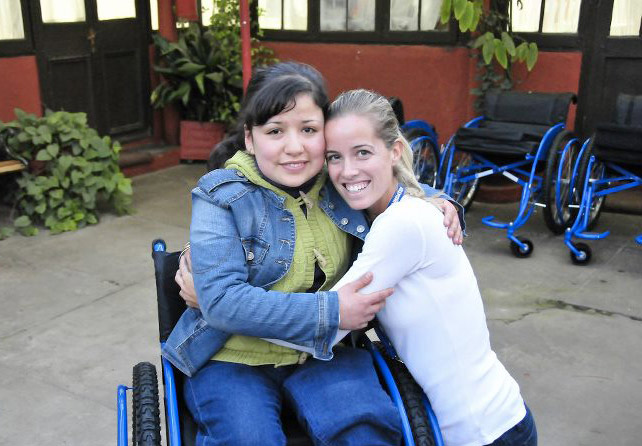
While the cure is being found, Walkabout Foundation seeks to provide humanitarian assistance to people with disabilities on the ground today by donating wheelchairs to people who can otherwise not afford one.
Walkabout Foundation donates the “Rough Rider” wheelchair which is exclusively designed for the rough and rugged terrain of the developing world and:
- • is made of bicycle tubing and therefore locally repairable
- • allows for custom fit
- • is light, foldable, and durable
- • has all-terrain wheels
- • only costs $300 USD

What We Face
Today, a staggering 6 million people are living with paralysis in the United States, which is approximately 2% of the population. This number translates to nearly 1 in 50 people, which means that everyone is ONE degree of separation away from paralysis. Additionally, there are 100 million people in the world that need a wheelchair but cannot afford one and up to 6% of the population of most developing countries need a wheelchair but cannot afford one.
About Paralysis
Paralysis is defined as the complete loss of sensation and strength in an affected limb or muscle group. Spinal Cord Injury (SCI) is one cause of paralysis and involves damage to the nerves within the spinal cord. Since the spinal cord coordinates body movements and sensation, an injured cord loses the ability to send and receive messages from the brain to the body's systems that control sensory, motor and automatic functions below the level of injury.
Reasons for Hope
Today, scientists are closer than ever to finding a cure for paralysis using a variety of different techniques, including use of stem cells and schwann cells. For example, scientists at The Miami Project to Cure Paralysis are on the brink of discovering a clinical treatment for those living with spinal cord injuries and have presented to the FDA a clinical trial plan for Schwann cell transplants. Schwann cells are an integral component of neurons found within the spinal cord and are known for their role in supporting nerve regeneration.
Additionally, stem cells are incredibly valuable to a person who has suffered a spinal cord injury because of their ability to regenerate nerve tissue. Stem cells are able to repair or replace cells or tissues that are damaged or destroyed by an injury. As a result the FDA (Food and Drug Administration) has approved the first human clinical trials of human embryonic stem cells.
The question is no longer if we will find a cure but when.
How You Can Help
-
Join In
Create your own Walkabout page and manage your fundraising activities online. You can raise money by creating your own wheelchair builder or by participating in one of our events and having your friends and family sponsor you.
-
Build a Wheelchair
Help us bring mobility to the 100 million people in the world who need a wheelchair and cannot afford one. Buy individual parts of a wheelchair or build and buy your own complete chair or fleet of wheelchairs.
-
Adopt a Scientist
Scientists are closer than ever to finding a cure for paralysis. Adopt a scientist and fund our doctors’ groundbreaking research today. In return, you will receive progress reports from the lab and direct updates from the scientists.