Posts

Nadia’s Story

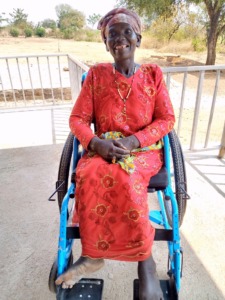
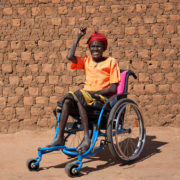
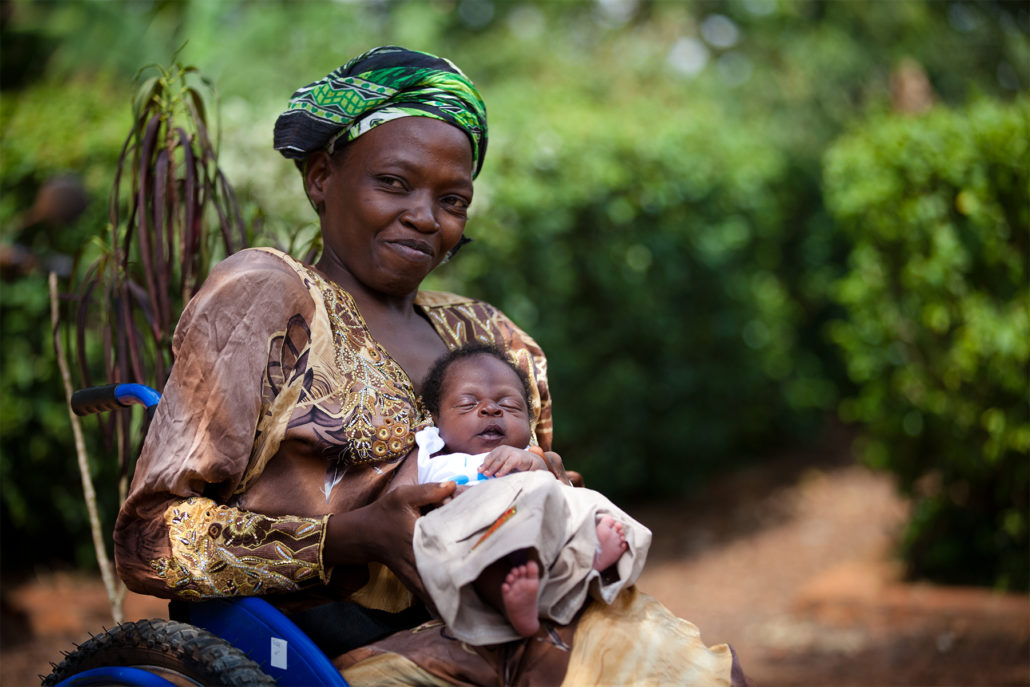
Meet Nadia, a 63-year-old woman from the Gumbiri Village, Uganda. After being diagnosed with Polio, it became quite challenging for Nadia to keep up with her domestic chores, as she was unable to move around independently.

Nadia relied heavily on the assistance of her son, Oduma, to carry out most of her daily tasks. Since receiving her brand new wheelchair, Nadia no longer relies on her son to carry her around. She is now able to travel across her village and engage with other community members!

Walkabout Returns to Northern Uganda

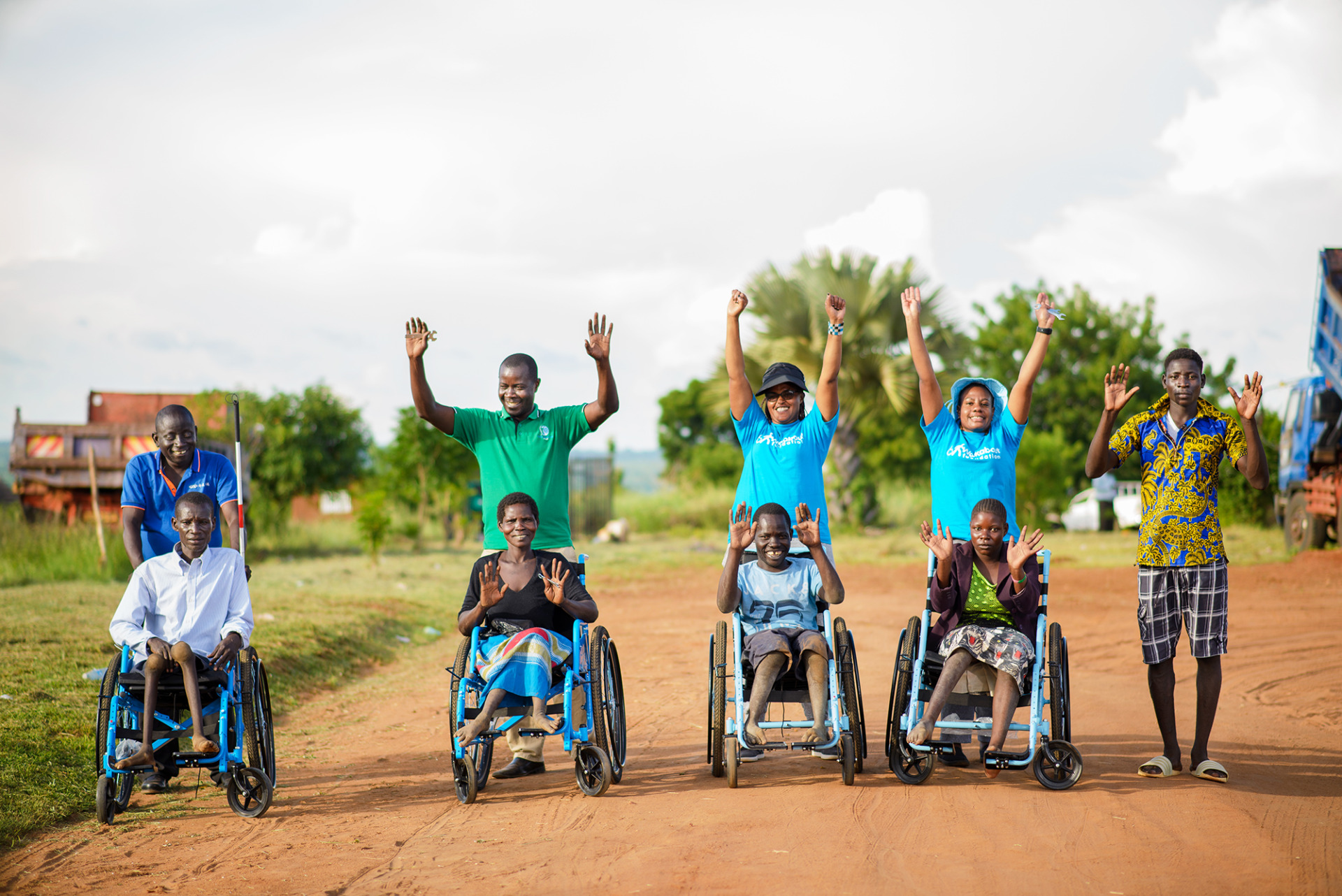
Northern Uganda hosts one of the world’s biggest refugee populations, with approximately 2 million refugees residing in the region today. Because of the South Sudanese war the country is under extreme pressure, and the need for wheelchairs is at an all time high.

This May, Walkabout returned to Uganda to distribute 320 wheelchairs and 50 trikes together with our incredible partners, World Action Fund and Hope Health Action. These chairs came from our Wheelchair Assembly & Repair Centre in Kenya, where they were built by our local team. So far, our partners have distributed 155 wheelchairs and 31 tricycles, and we look forward to distributing the rest in the coming months!

The need in the region is still overwhelming, and we need your support to help those in dire need. Click below to help us continue changing lives in Uganda.

Venezuela 2021 Film

Walkabout Returns to Uganda!

Colines’ Story


This year, we have returned to Uganda, a country very close to our hearts, to distribute another 320 wheelchairs and 50 trikes. The wheelchairs came directly from our Wheelchair Assembly and Repair Centre in Kenya in a 40-foot container, which includes a variety of wheelchair types for adults and kids in need. 

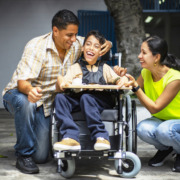
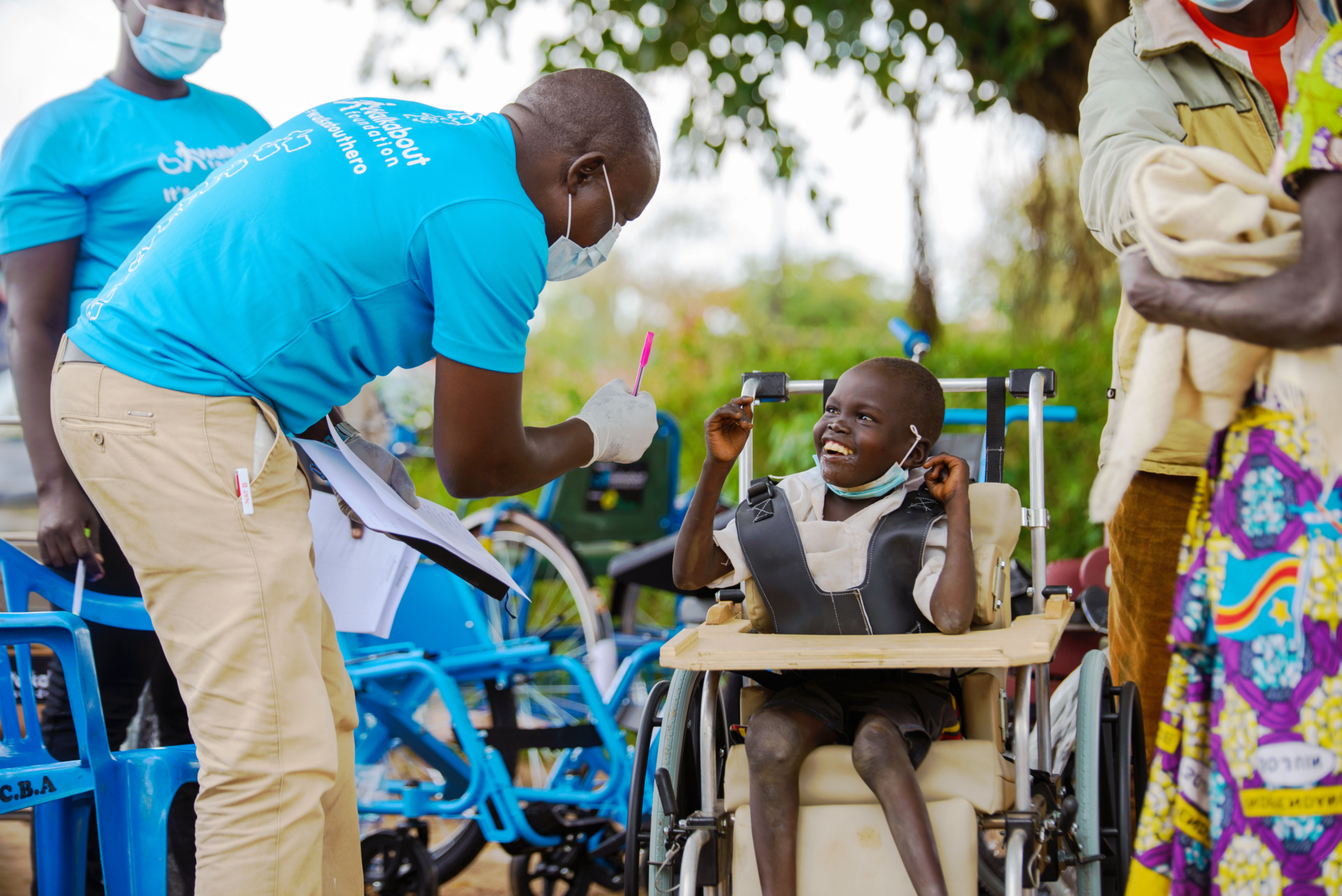
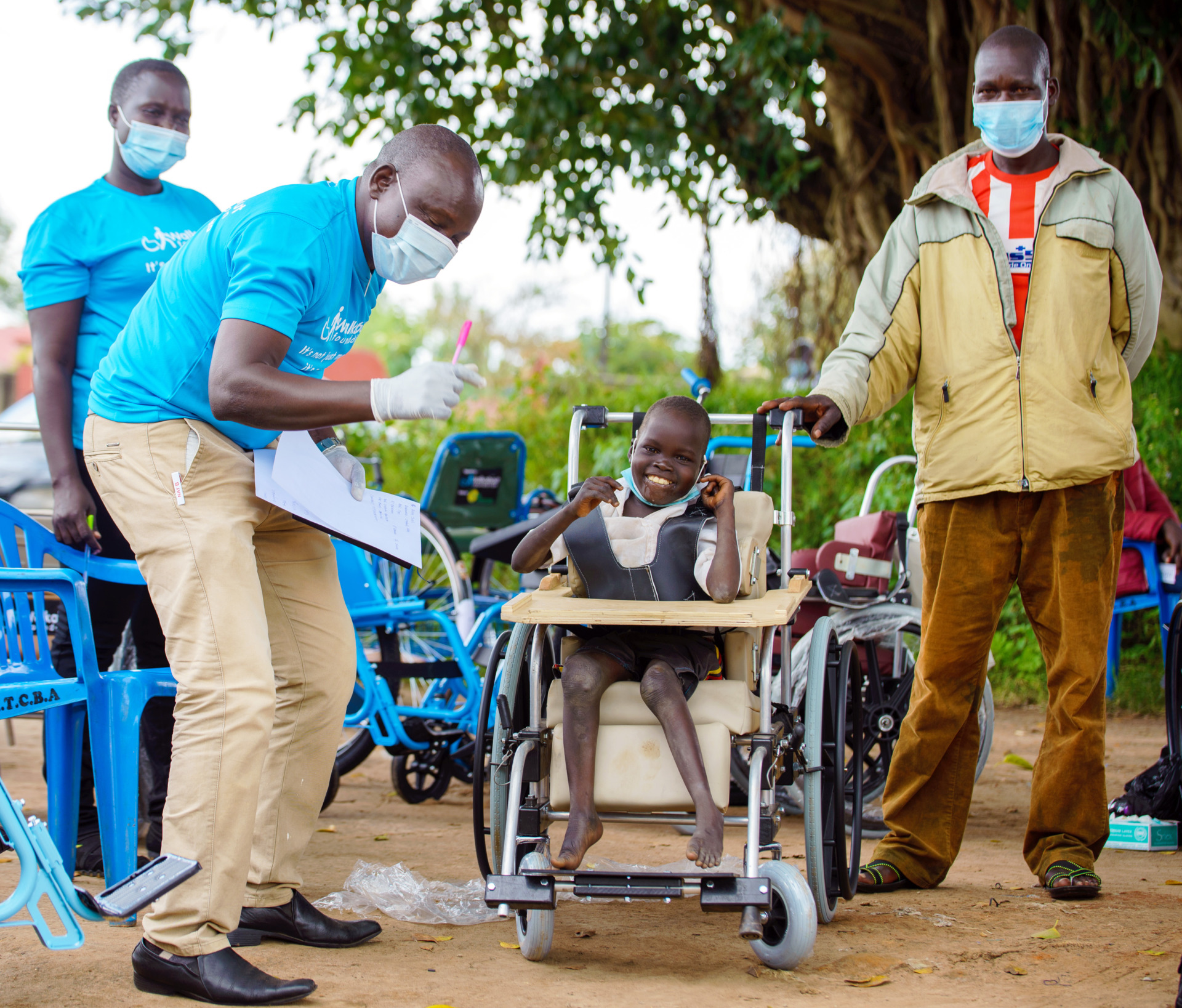
Meet Colines, a smiley and bright 8-year-old boy from Uganda He contracted polio when he was only three years old, and therefore has never been able to walk. His single mother has been forced to stay at home to look after him, making it very hard for her to find a stable job. When the local team met her she had tears of joy in her eyes. When we asked her why, she said: “Colines now has just as good a chance to be successful in his future as any other child!”

Thanks to your support, kids like Colines now have a chance at a bright future and an independent, happy life!


Uganda 2020 Film

Selina’s story

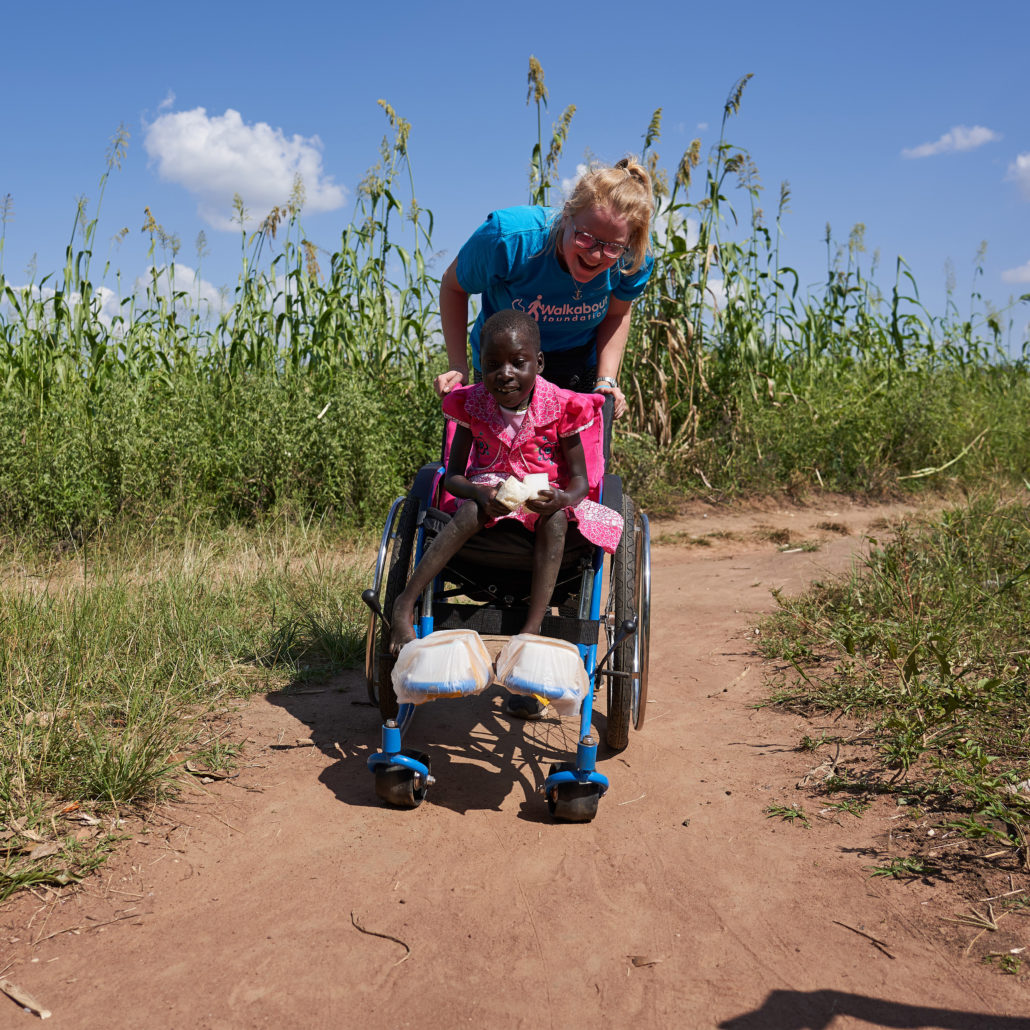
Selina is the youngest of 7 children. She was displaced from her home in South Sudan two years ago; her loving parents travelled for three days, her mother carrying her on her back, to get to safety at the Ugandan border. Born with cerebral palsy, Selina has never been able to walk, therefore relying on her older siblings to carry her to school. As she grew, she became too heavy for her sisters to bear her weight on the three hour walk, so they would often leave her on the side of the road and only pick her up on their way back home. Now, thanks to her first ever wheelchair, Selina will be able to return to school, and she’ll be able to play with her siblings rather than being left inside alone. For Selina, her wheelchair means the opportunity to have a childhood – something that every little girl deserves.

Richard’s story

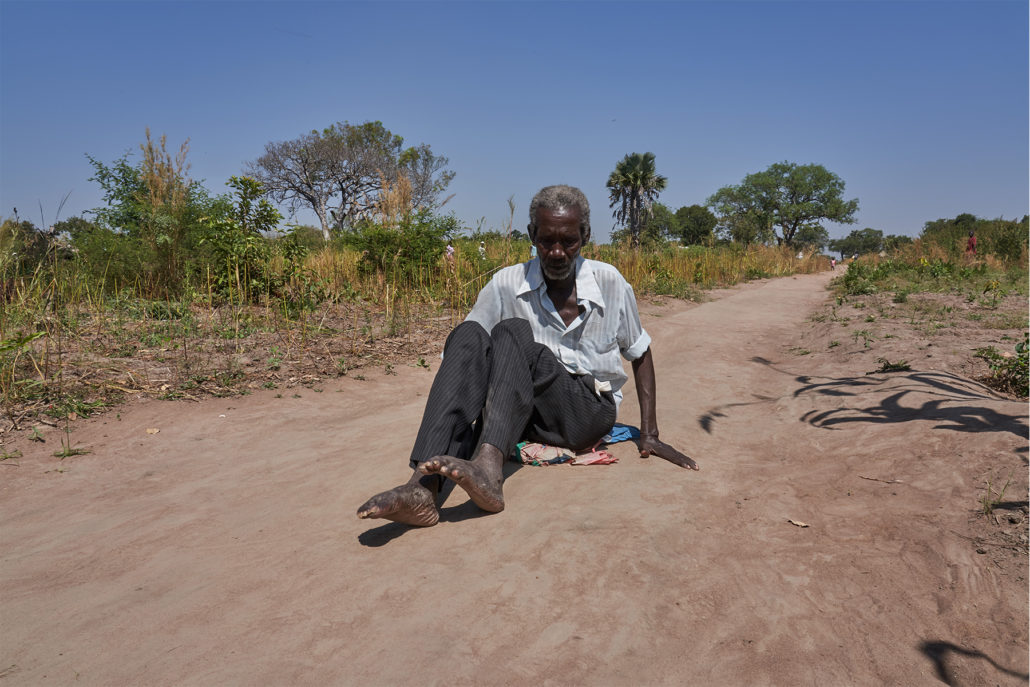
Richard arrived at our distribution dragging himself along the dirt floor with the help of a rice bag underneath him. He had suffered a serious hip injury a few years before, dislocating it and leaving his right leg extremely difficult to move. Without the help of any medical attention or physiotherapy, his condition worsened and rendered him immobile and unable to stand, let alone walk. He has never had access to a wheelchair.

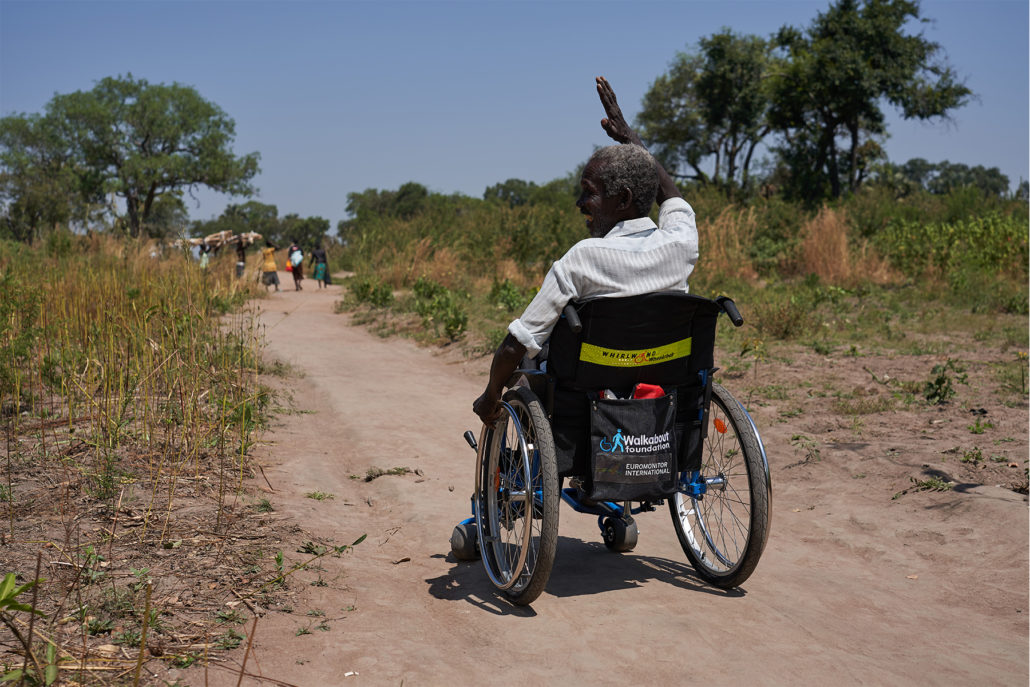
Richard has lived in Palorinya refugee camp in Moyo, Uganda, since he had to flee his home in South Sudan when the war broke out. He was overjoyed with his first ever wheelchair, which means that he will be able to regain the dignity that he has lacked for so long.

Walkabout in Northern Uganda

Uganda 2017

Northern Uganda is the epicentre of one of the biggest refugee crises in the world. With thousands of people flooding into the country every single day, mainly fleeing conflict in South Sudan, life in the sprawling camps is a constant battle for survival. Just imagine living in one of these camps without mobility.

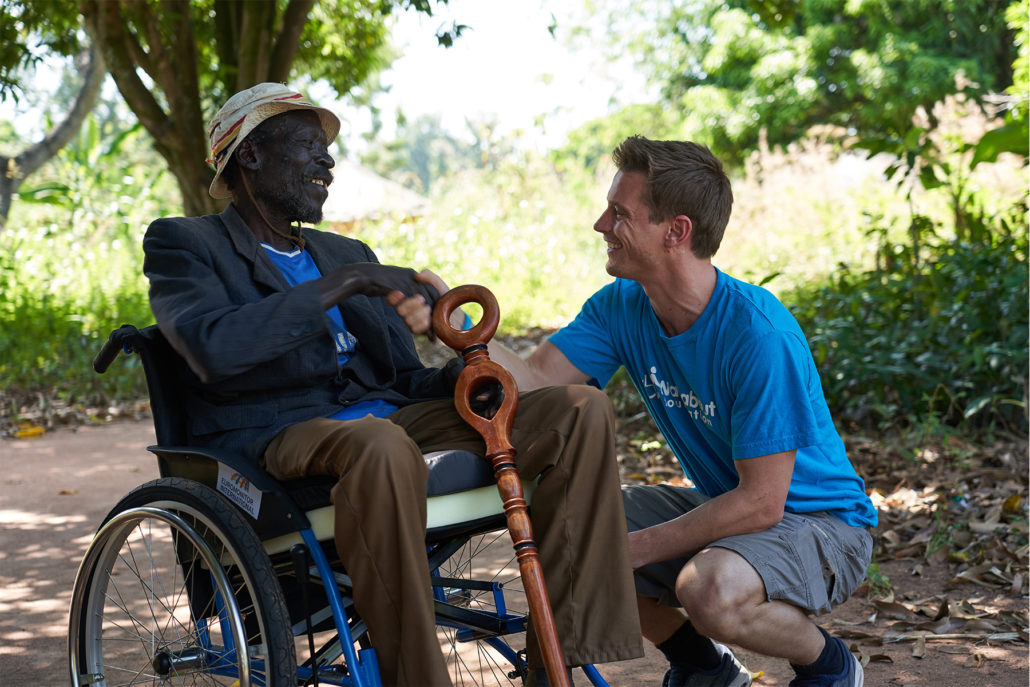
Thanks to the corporate sponsorship from Euromonitor International, we travelled to Northern Uganda in November 2017. Together with our local partners Hope Health Action and World Action Fund, we distributed 250 wheelchairs and 40 trikes to refugees and host communities.

This is one of the poorest parts of the country, and the additional strain on resources resulting from the refugee crisis meant that almost every person we met had never had a wheelchair before. That said, the atmosphere throughout the two weeks was one of joy and hope, and every distribution was filled with smiles, laughter, and even singing!

Sofia’s story

Sofia had just given birth to her son Quima when we first met her back in 2014. She has been paralysed since she contracted polio at a young age.

Sofia lives with Quima, her parents, 10 siblings, and 12 nieces and nephews. The family used to own a large coffee plantation and lived comfortably, but when the crops were hit by a disease, they were left with nothing. Sofia’s parents must now support the entire household on very little, growing their own food and selling the small amount they don’t consume.

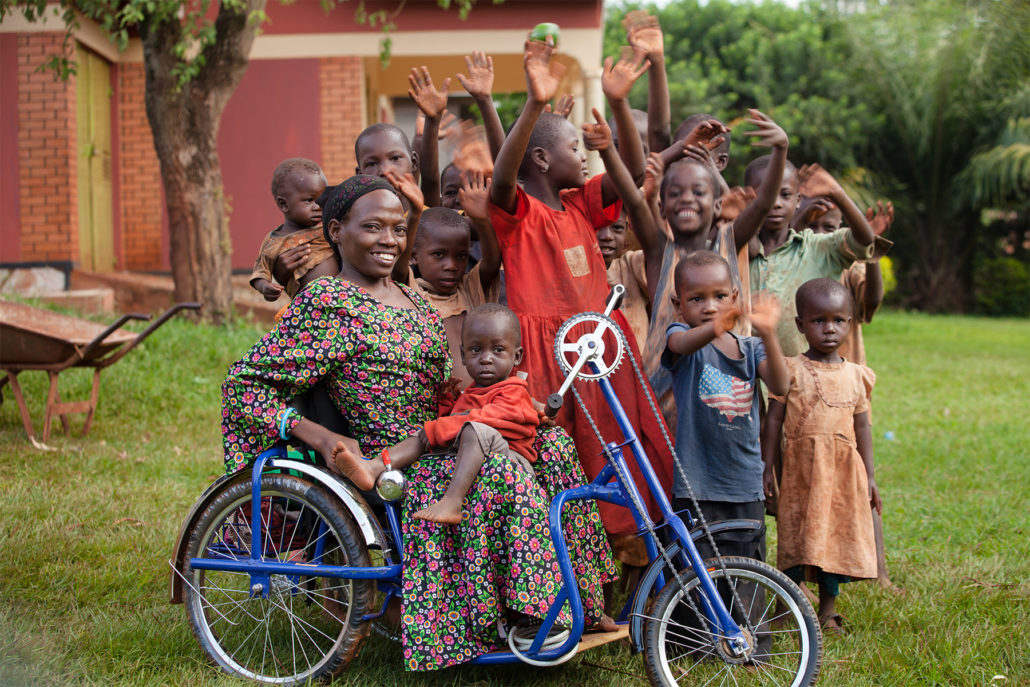
When Sofia received her Walkabout wheelchair in 2014, it gave her hope – both for herself and for her son, who was just weeks old at the time. Now that we’ve given her a trike, this hope has been amplified; she will be able to help her parents on their farm, as well as go further afield to search for other work and provide for Quima.

Mariam’s story

Mariam lives in Uganda. She is 21 years old, and a single mother with a 9 month old baby boy. She contracted cerebral malaria at the age of 1, and has been unable to walk since. She has never before had access to a wheelchair.

In spite of spending her entire life on the ground, Mariam clearly gets on with life as best she can. She shares a small patch of land with her mother, which they farm together to grow the food they live on. She even dragged herself to school every day until she was 11, determined to get an education. When we met her, she had travelled all the way to the distribution alone, taking a boat and then a three hour motorbike journey, having fashioned a sling so that she could carry her son on her back.
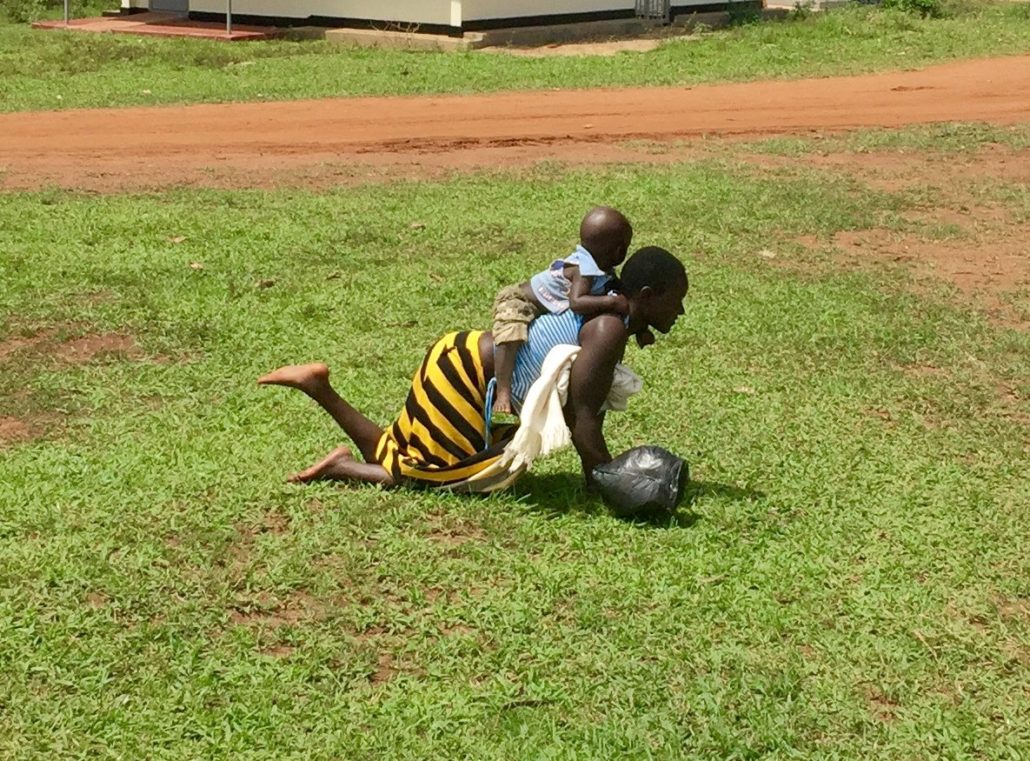
When we gave Mariam her first ever chair, staying true to her independent and determined character, got into it completely alone, keeping her son strapped to her back the entire time. She was delighted to finally be sitting in an upright position, at the eye level of others, and immediately began sharing her plans to rent a sewing machine and earn some money to support her small family.